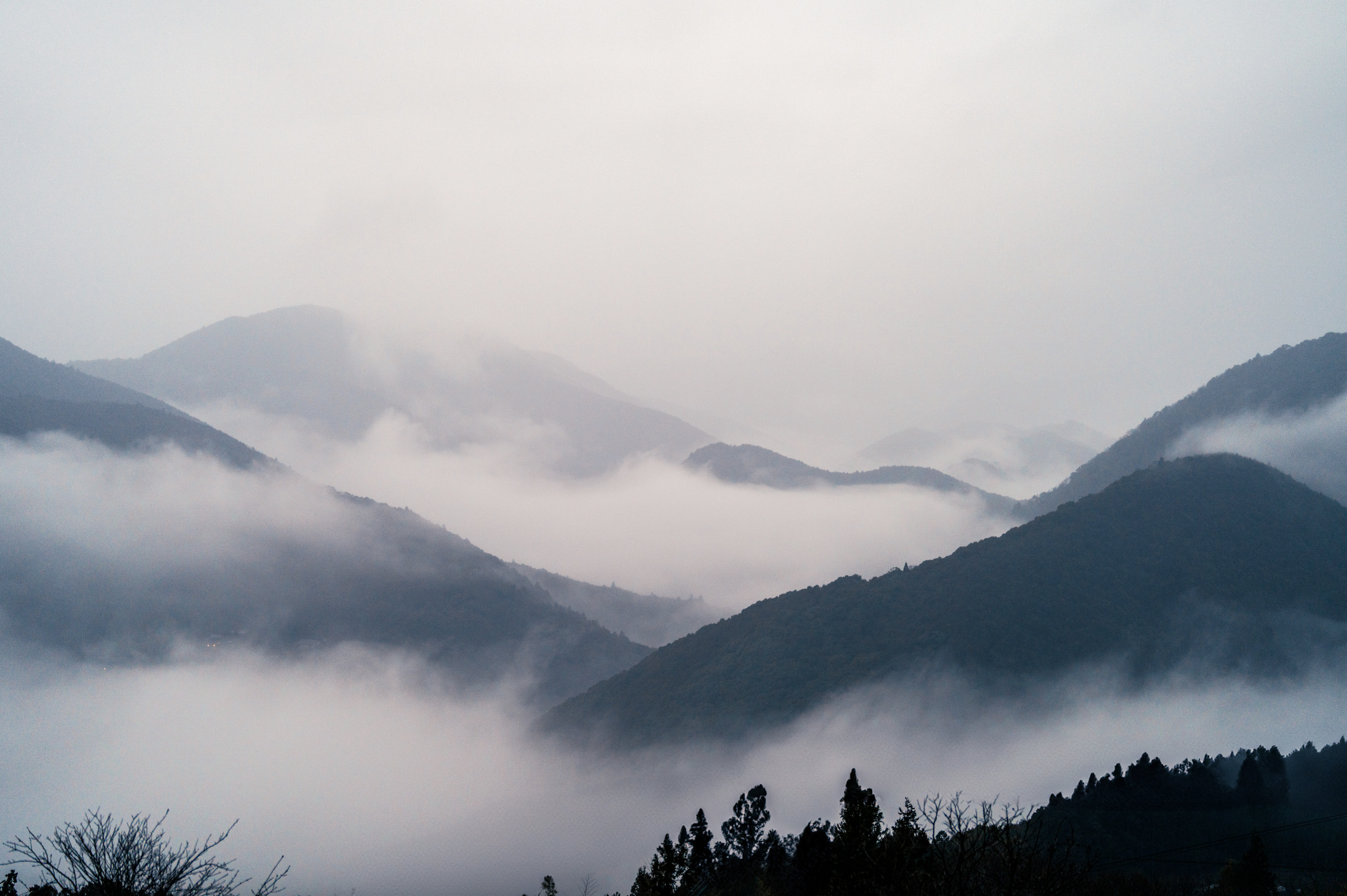
Kumano Kodo: Path of the Sacred Mountains
An Intentional Pilgrimage through Japan’s Spiritual Heartland
October 5-12, 2027
Japan’s Kumano Kodo Pilgrimage
熊野古道

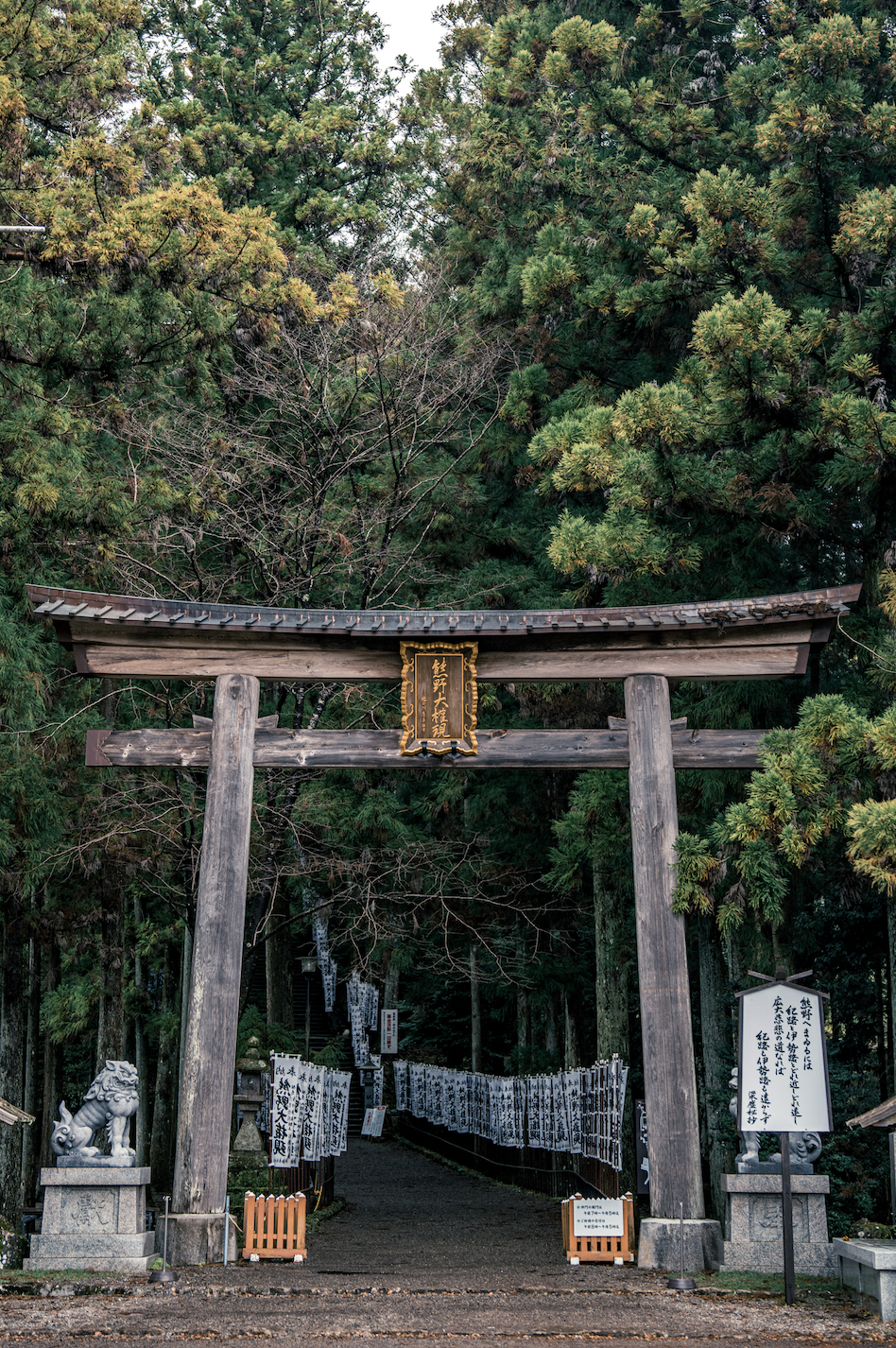
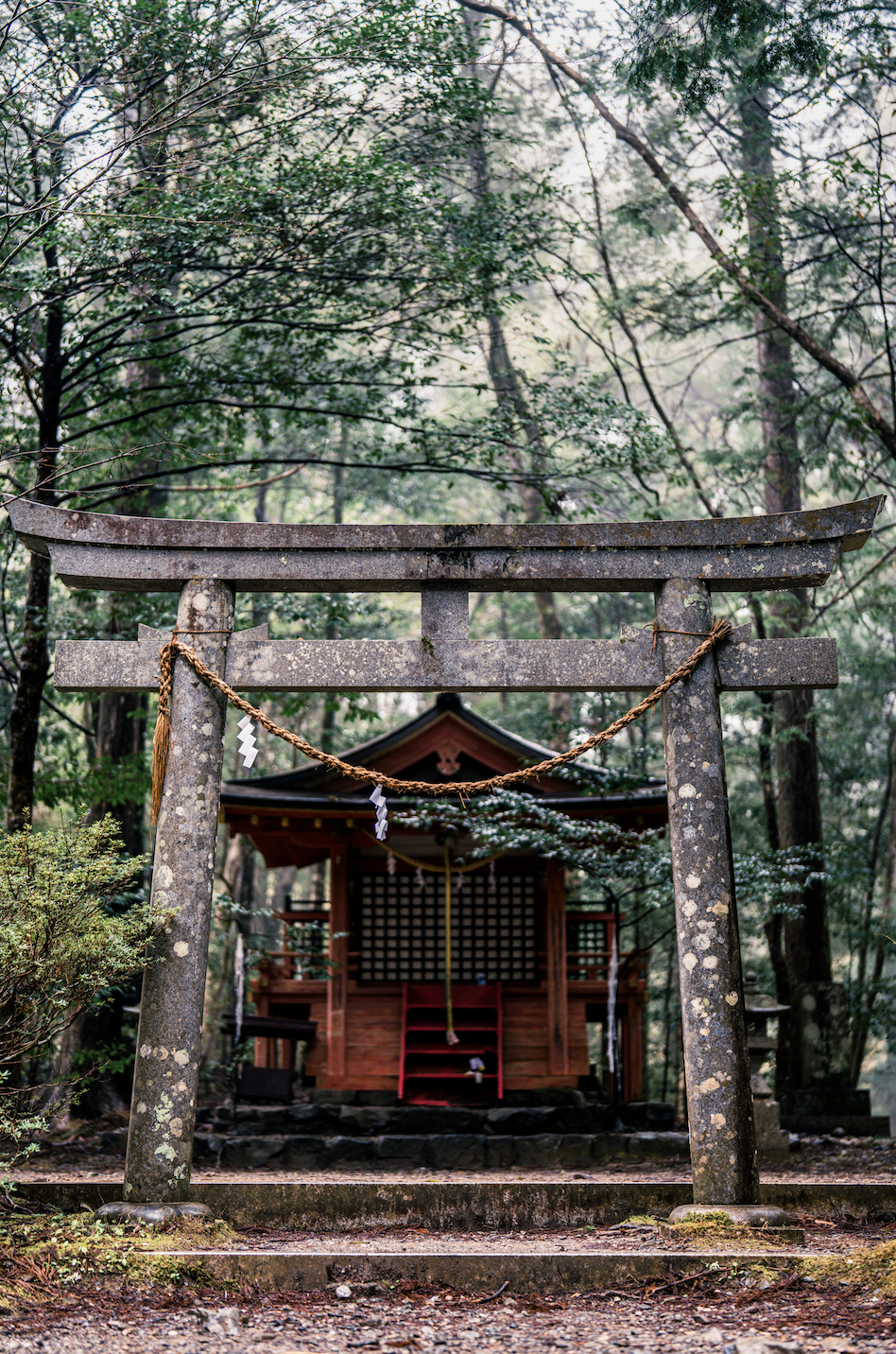
For centuries, the Kumano Kodo has carried pilgrims across the peaks and valleys of the Kii Peninsula to worship at three Grand Shrines: Kumano Hongu Taisha, Kumano Nachi Taisha and Hayatama Taisha.
As you journey along this ancient path, you will encounter a landscape rich with history and spirituality. The Kumano Kodo is a pathway into the heart of Japan and a chance to reconnect with yourself and the natural world in a meaningful way.
This trip is much more than a leisurely vacation; it’s a pilgrimage: an age-old ritual of self-discovery and a profound journey to a sacred place. Together, we will walk the Nakahechi route of the Kumano Kodo, engaging in moments of silence and introspection as well as time to connect with your fellow travelers. We will tread lightly and humbly, respecting the locals who have nurtured this area for generations and the awe-inspiring nature that surrounds us, and finally, we will close our time together by visiting the sacred Ise Grand Shrine, one of Japan’s most revered Shinto shrines. This is going to be an amazing trip - join us!
Group size limited to 8 people
Why Walk with Lotus Compass?
At Lotus Compass, we curate an intentional space for the inner journey alongside the outer journey on pilgrimage.
More than a hiking trip
A Lotus Compass journey is a pilgrimage. We see the journey as an opportunity for reflection, growth, and personal transformation.
Nature as a teacher
We believe the natural world has so much to teach us. We spend intentional time in nature during our trips.
Pilgrimage + Retreat
Our trips are thoughtfully designed to balance hiking with meditation, conversation with silence, and group connection with spacious time for solitude and reflection.
Meditation & mindfulness
Rooted in Buddhist tradition, mindfulness and meditation practice is woven into every aspect of our trips.
Travel with respect
We recognize that we’re guests wherever we go. We honor local cultures and traditions, support local, and approach each place & person with gratitude and respect.
Small Groups
With an average group size of eight participants, our pilgrimages foster meaningful conversation, genuine community, and personalized support throughout the journey.
Itinerary
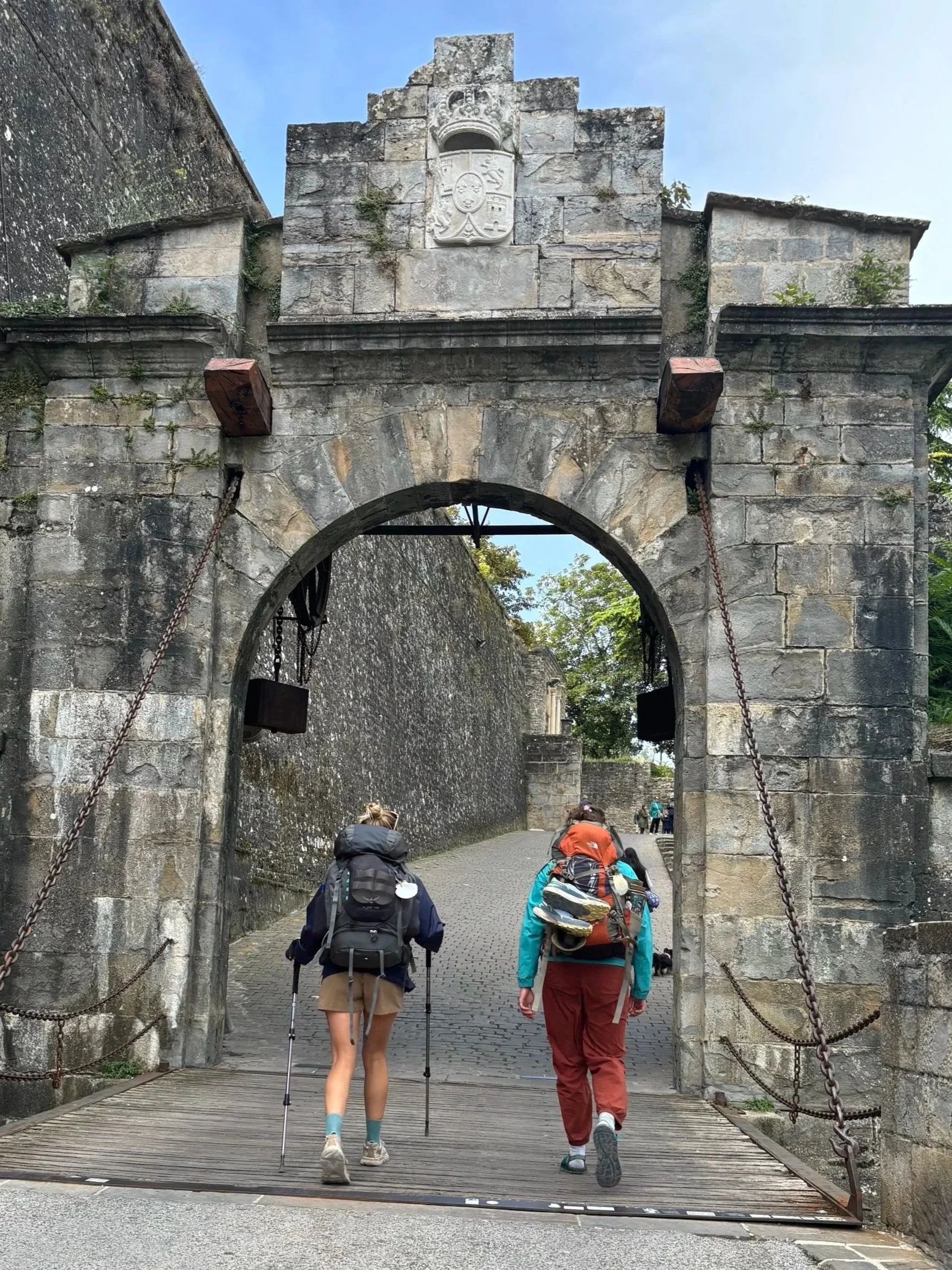
Your pilgrimage begins on the Nakahechi Route, walking from Takijiri to the hilltop village of Takahara before continuing through tranquil forests and mountain paths to Chikatsuyu. Continue to one of the Kumano Kodo's most celebrated sections, from Hosshinmon-oji to Kumano Hongu Taisha, before relaxing in the historic hot spring village of Yunomine Onsen. The journey then takes you along the atmospheric Daimonzaka stone path, leading to the spectacular Kumano Nachi Taisha and Japan's tallest waterfall, Nachi Falls. Finally, travel by train to Ise, home to the country's most sacred Shinto shrine, where this unforgettable exploration of Japan's spiritual traditions comes to a fitting conclusion.
Itinerary subject to impermanence.
-
Upon arriving at Osaka’s airport, make your way independently to your hotel in the city. In the early evening, meet your Lotus Compass guide, Jamie, along with your local guide in the hotel lobby and head out for a welcome dinner.
-
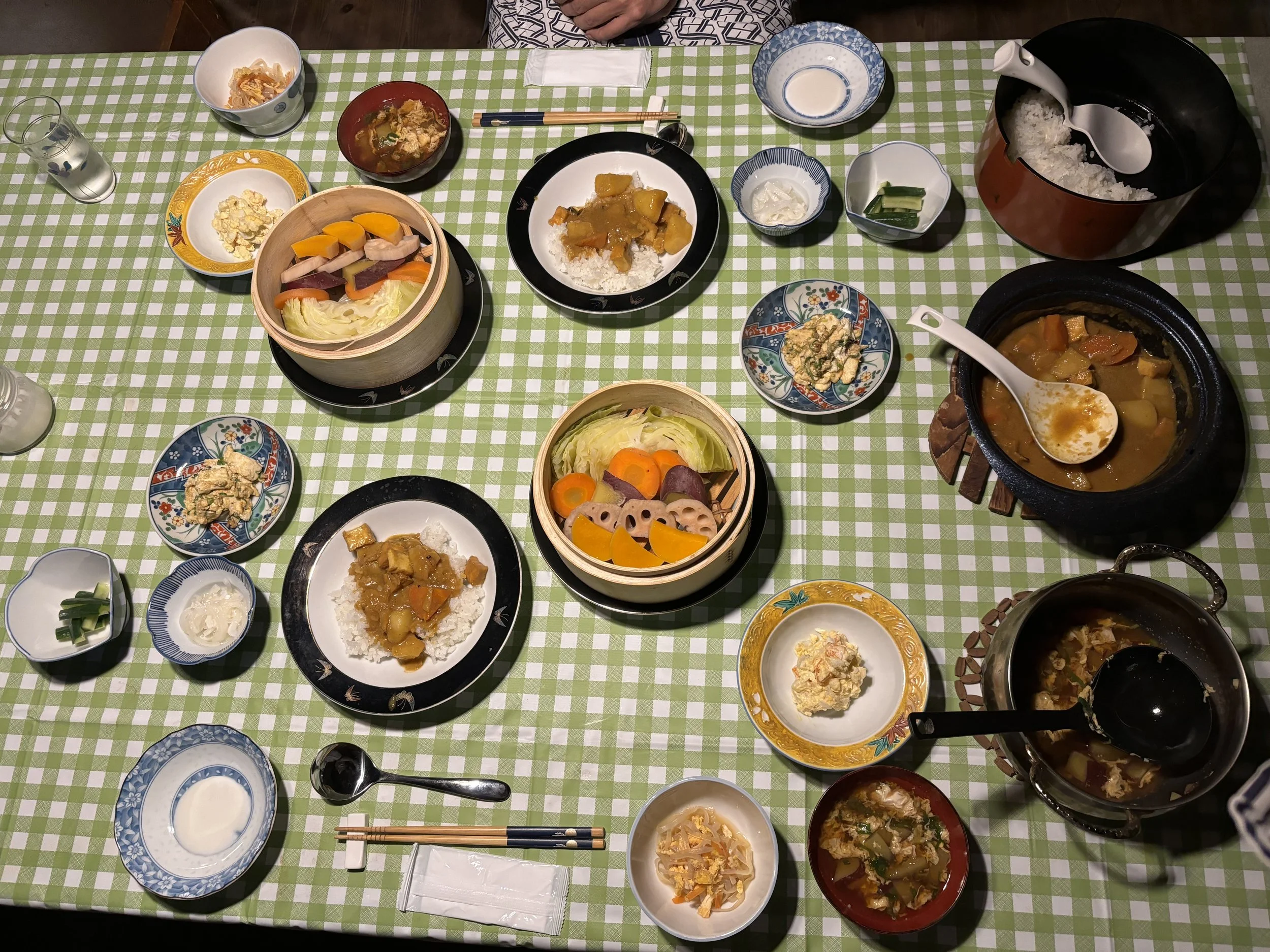
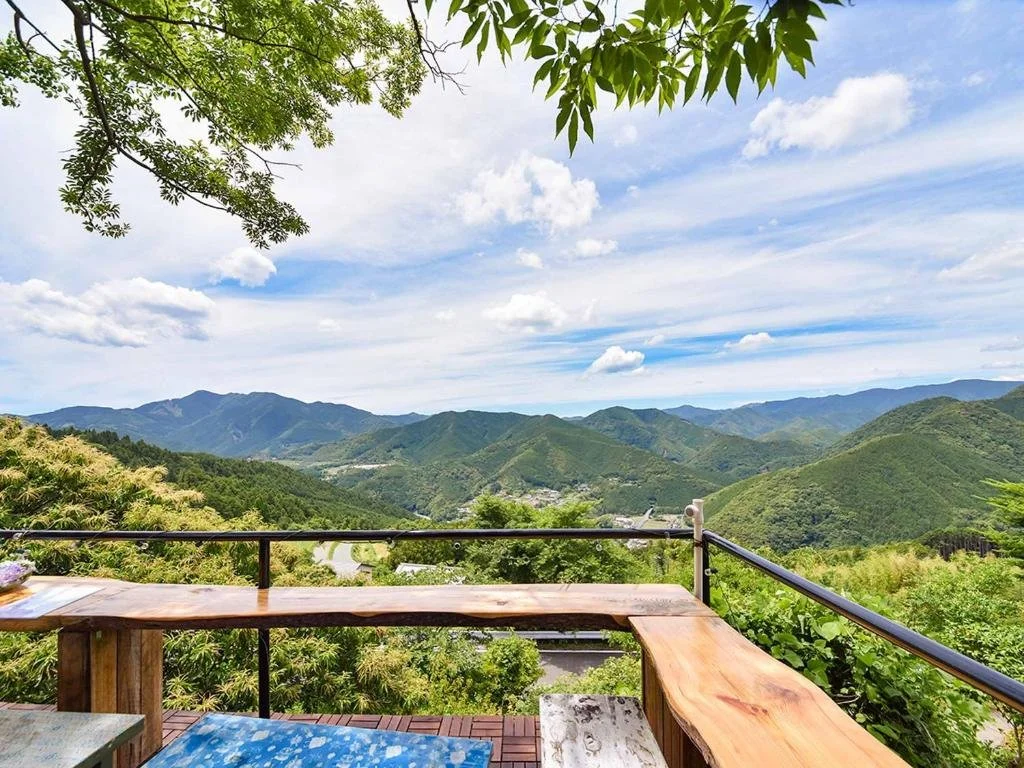
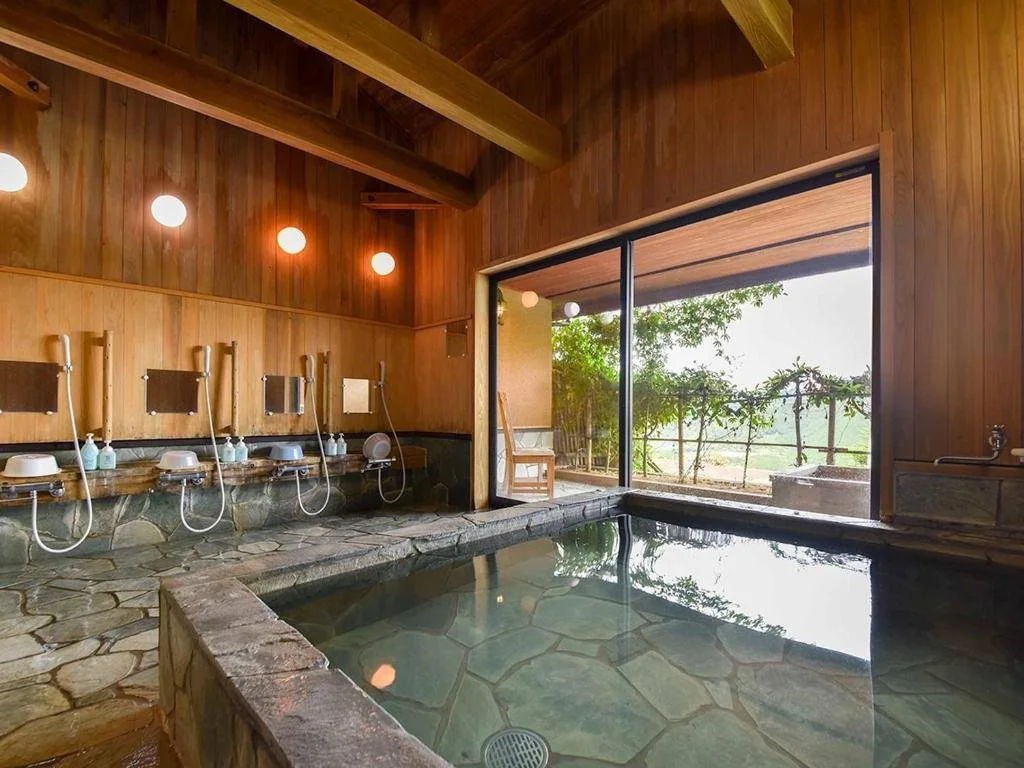
In the morning, we will journey south by train and local bus to Takijiri, the starting point of the Nakahechi route, part of the historic Kumano Kodo pilgrimage network. Your journey along the Nakahechi section of the Kumano Kodo begins here. We’ll start our pilgrimage with a nature connection practice and intention setting. From Takijiri, the trail climbs steadily to the ridge-top village of Takahara, a walk of approximately two hours. Tonight, your accommodations feature cypresswood hot spring baths, and dinner showcases a sumptuous array of organic, locally sourced ingredients.
Walking distance: 4.5km / 2.8 miles
Elevation gain: 390m / 1,280 feet of ascent and 160m / 520 feet of descent. About 2 hours
Meals: Breakfast, Dinner
Accommodation: Organic Hotel Kirinosato or similar (Takahara)
-
After enjoying an early Japanese-style breakfast, we set out from our inn and continue along the trail as it threads through hamlets and tranquil rural landscapes. Along the way, we’ll pass several historic Oji shrines before beginning our descent toward the village of Chikatsuyu. The route is well marked, with sections of stone-paved paths that help ease some of the steeper climbs. We’ll transfer by local bus to our accommodation for the next two nights in Yunomine onsen, one of the oldest natural hotspring onsen villages in Japan, famous for the thermal water bubbling to the surface of the crystal-clear stream. Enjoy a relaxing soak in a Japanese bath before or after your delicious, multi-course dinner.
Walking distance: 10km / 6.5 miles
Elevation gain: 610m / 2,000 feet of ascent and 640m / 2,100 feet of descent. About 4 - 5 hours
Meals: Breakfast, Lunch, Dinner
Accommodation: Yunomineso or similar (Yunomine onsen)
-
This morning, travel by local bus to Hosshinmon-oji, the traditional entrance to the sacred precinct of Kumano Hongu Taisha. From here, enjoy one of the gentlest and most rewarding sections of the Kumano Kodo, following peaceful forest paths and rural landscapes towards Kumano Hongu Taisha, one of the three Grand Shrines of Kumano. For guests wishing to receive the Dual Pilgrim certification, we'll visit the Kumano Hongu Heritage Center before taking part in the Dual Pilgrim Taiko Ceremony at Kumano Hongu Taisha. Bring a photo of your Camino certificate with you! This special ceremony celebrates the connection between the Kumano Kodo and Spain's
Camino de Santiago—the world's only two UNESCO World Heritage pilgrimage routes. Eligible participants will receive their Dual Pilgrim certificate, accompanied by the powerful sound of traditional Japanese taiko drums. After your visit, transfer by local bus back to Yunomine Onsen, where you will spend the night.
Walking distance: 7.1 km / 4.4 miles
Elevation gain: 173m / 568 feet of ascent and 438 m / 1,437 feet of descent
Meals: Breakfast, Lunch, Dinner
Accommodation: Yunomineso or similar (Yunomine onsen)
-
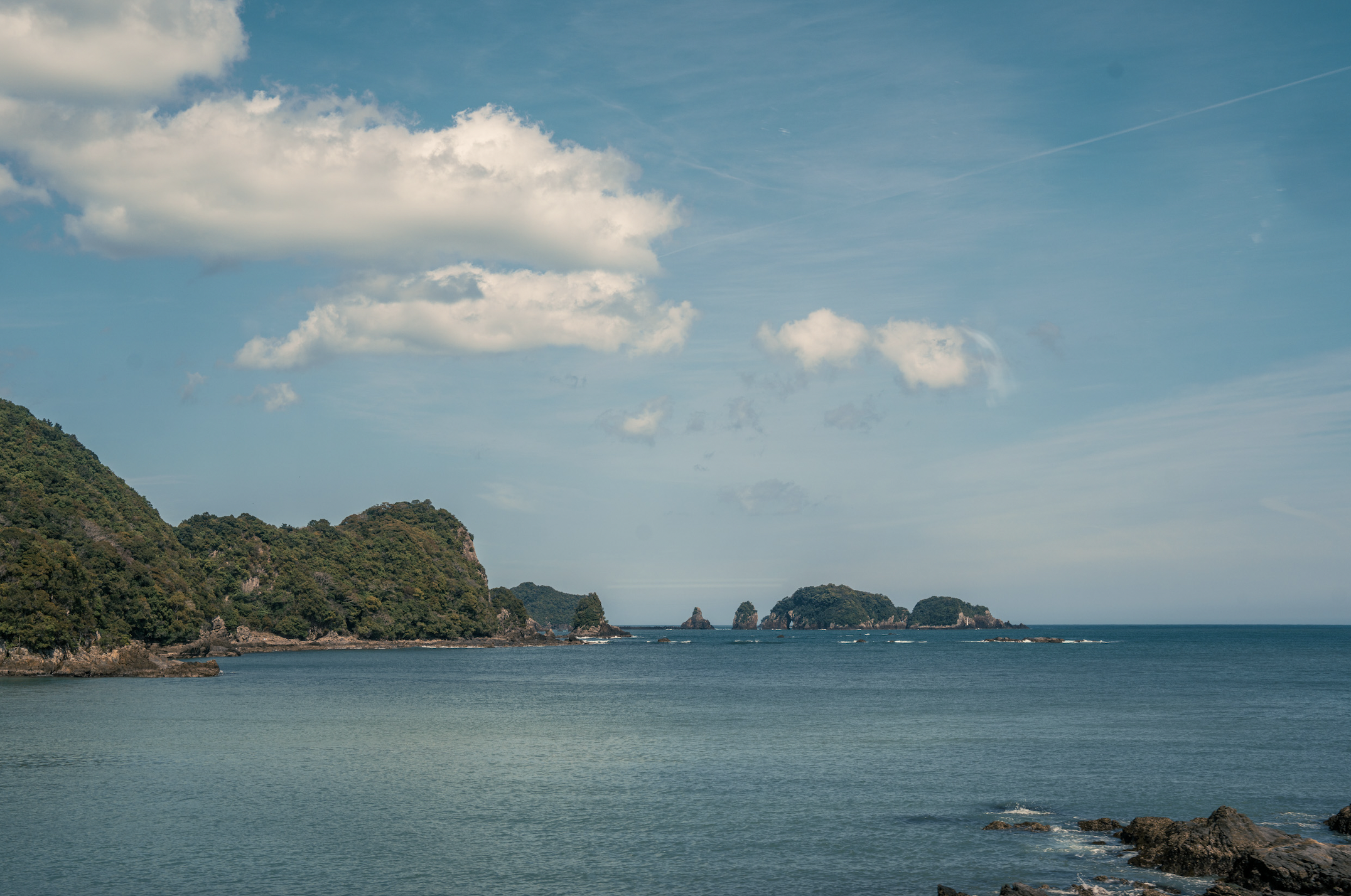
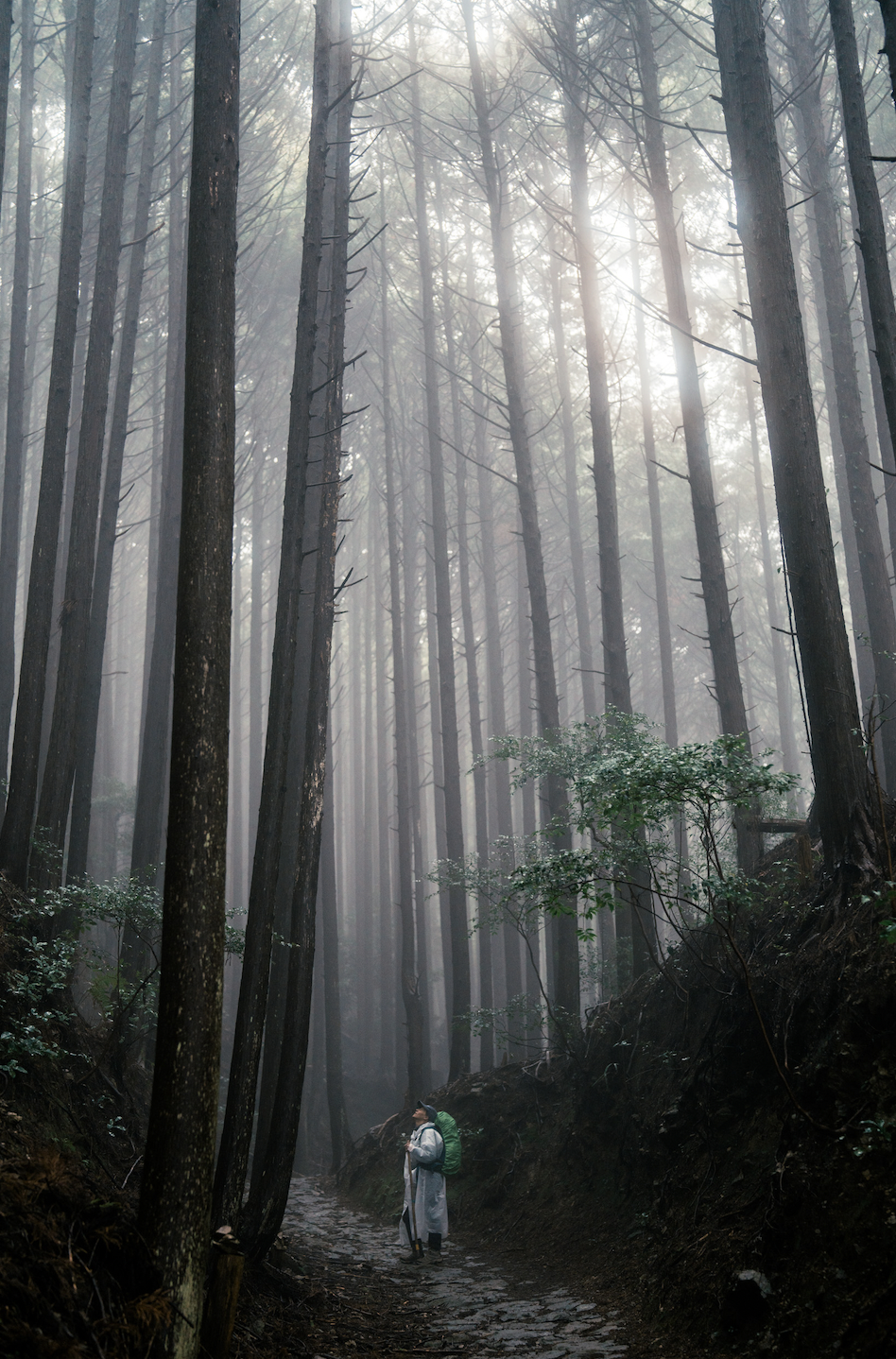
After breakfast, take a local bus to Ukegawa, the starting point for today's walk along the Kogumotori-goe, one of the most scenic sections of the Kumano Kodo. The trail climbs steadily through tranquil cedar and cypress forests before reaching the Echizen-toge Pass, rewarding your efforts with beautiful views over the surrounding mountains. From here, the path descends through peaceful woodland to the small riverside settlement of Kowase (Koguchi). Having completed today's walk, continue by private taxi to Kii-Katsuura, where you will check in to your accommodation for the night.
Walking distance: 13 km / 8.1 miles
Elevation gain: 2,201 feet / 671m of ascent and 2,104 feet / 641m of descent. About 4.5 – 5.5 hours
Meals: Breakfast, Lunch, Dinner
Accommodation: Kyukamura Nachi Katsuura or similar (Kii-Katsuura)
-
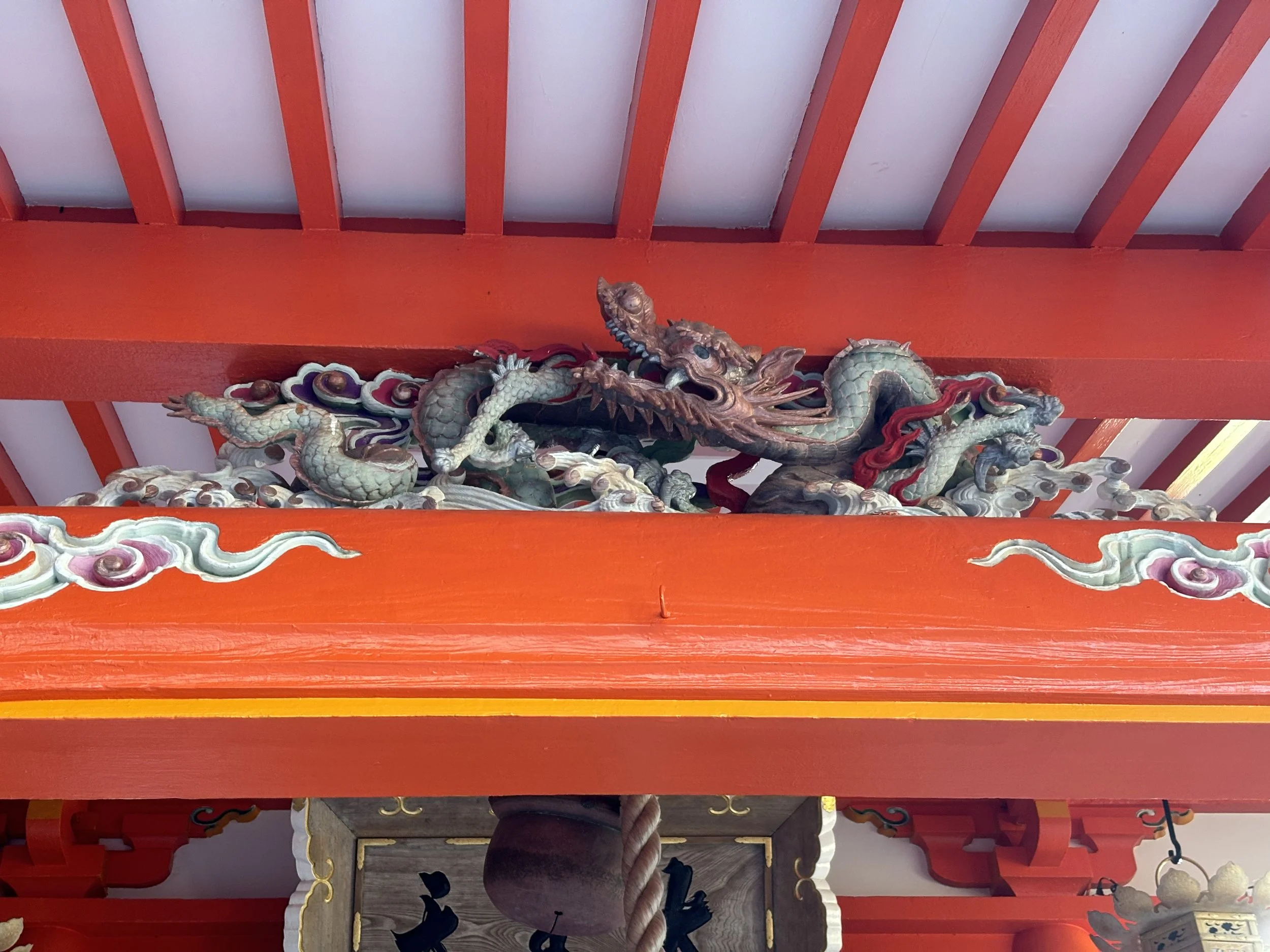
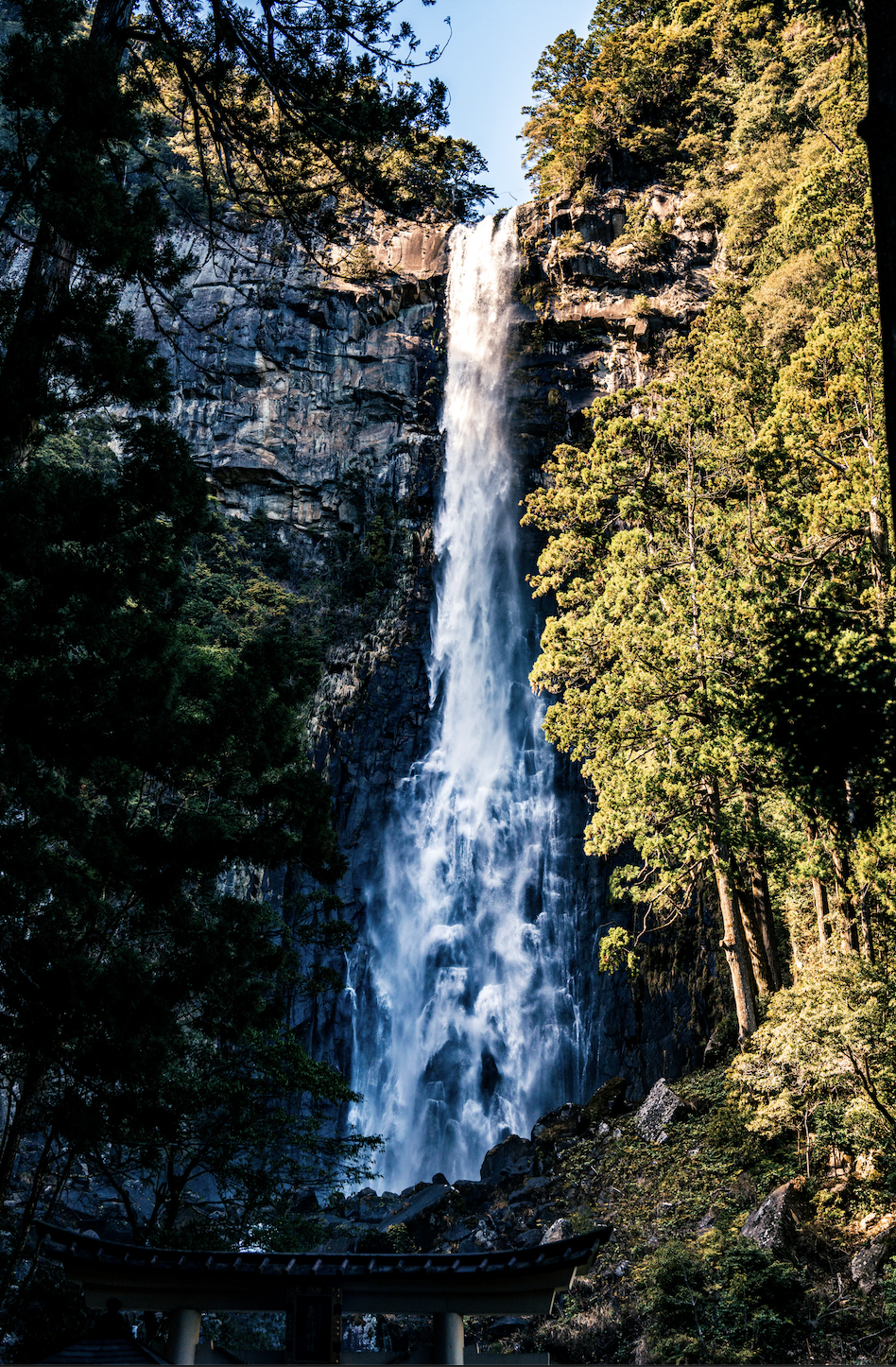
After breakfast, take a local bus to the starting point for today's walk, Daimonzaka. This beautifully preserved cobbled stone staircase, lined with towering cedar trees, is one of the most iconic sections of the Kumano Kodo and has welcomed pilgrims for centuries. Following the ancient path, arrive at Kumano Nachi Taisha, one of the three Grand Shrines of Kumano and an important centre of pilgrimage and mountain worship. Take time to explore the shrine including a special ceremony with the priest in Nachi Taisha. Visit the spectacular Nachi Falls, Japan's tallest single-drop waterfall at 133 metres.
Revered as a sacred object of worship long before the shrine was established, the waterfall remains one of the country's most awe-inspiring natural and spiritual landmarks. After your visit, return to Kii-Katsuura for a special Pilgrimage Closing Circle with Jamie.
Walking distance: 1,5 km / 0,9 mi (about 40 minutes)
Elevation gain: short slope with a 600-metre staircase
Meals: Breakfast, Lunch, Dinner
Accommodation: Kyukamura Nachi Katsuura or similar (Kii-Katsuura)
-
This morning, travel by train to Ise, home to Ise Grand Shrine (Ise Jingu), the most sacred shrine in Shinto and one of Japan's most important spiritual sites.
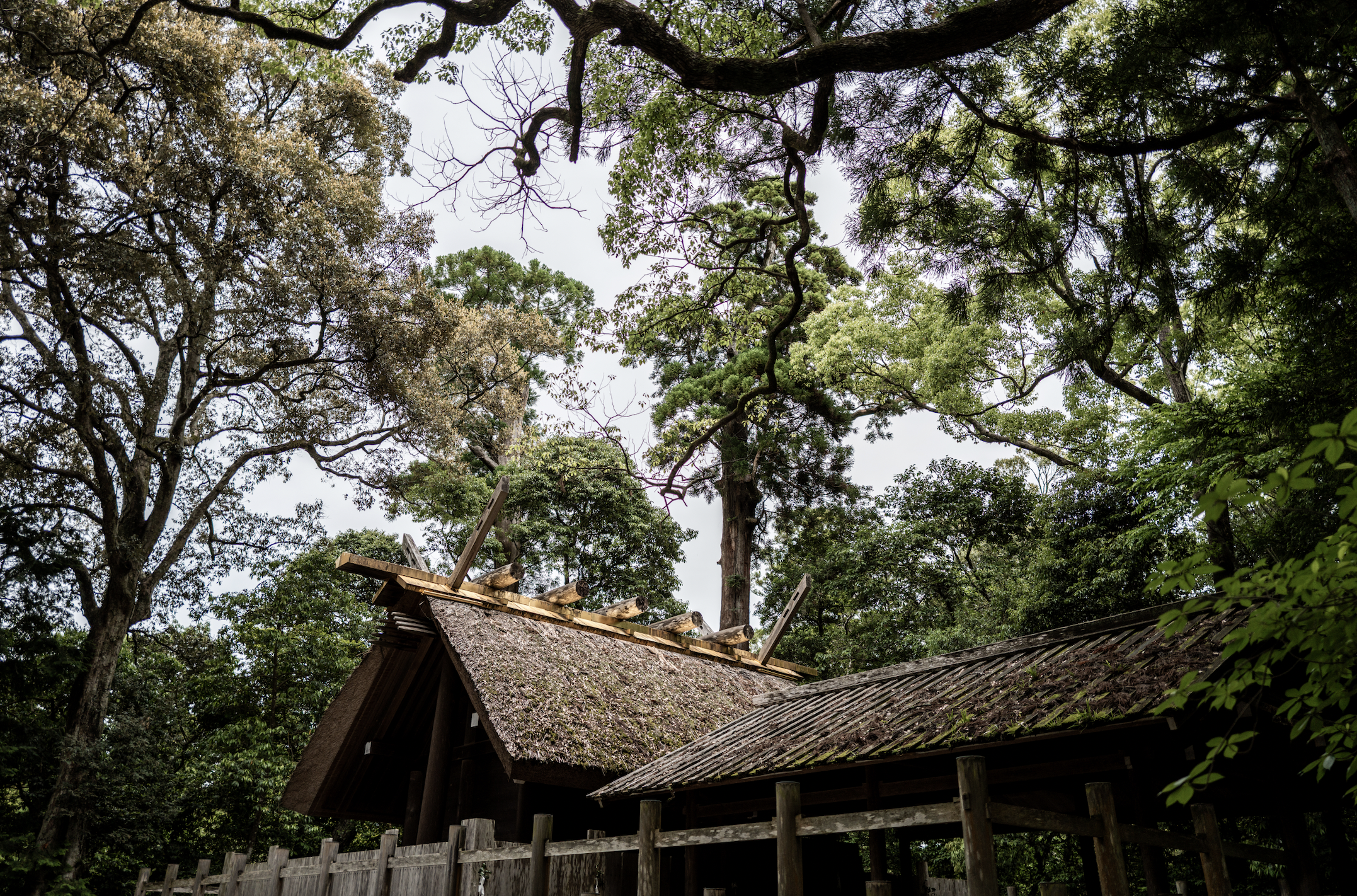
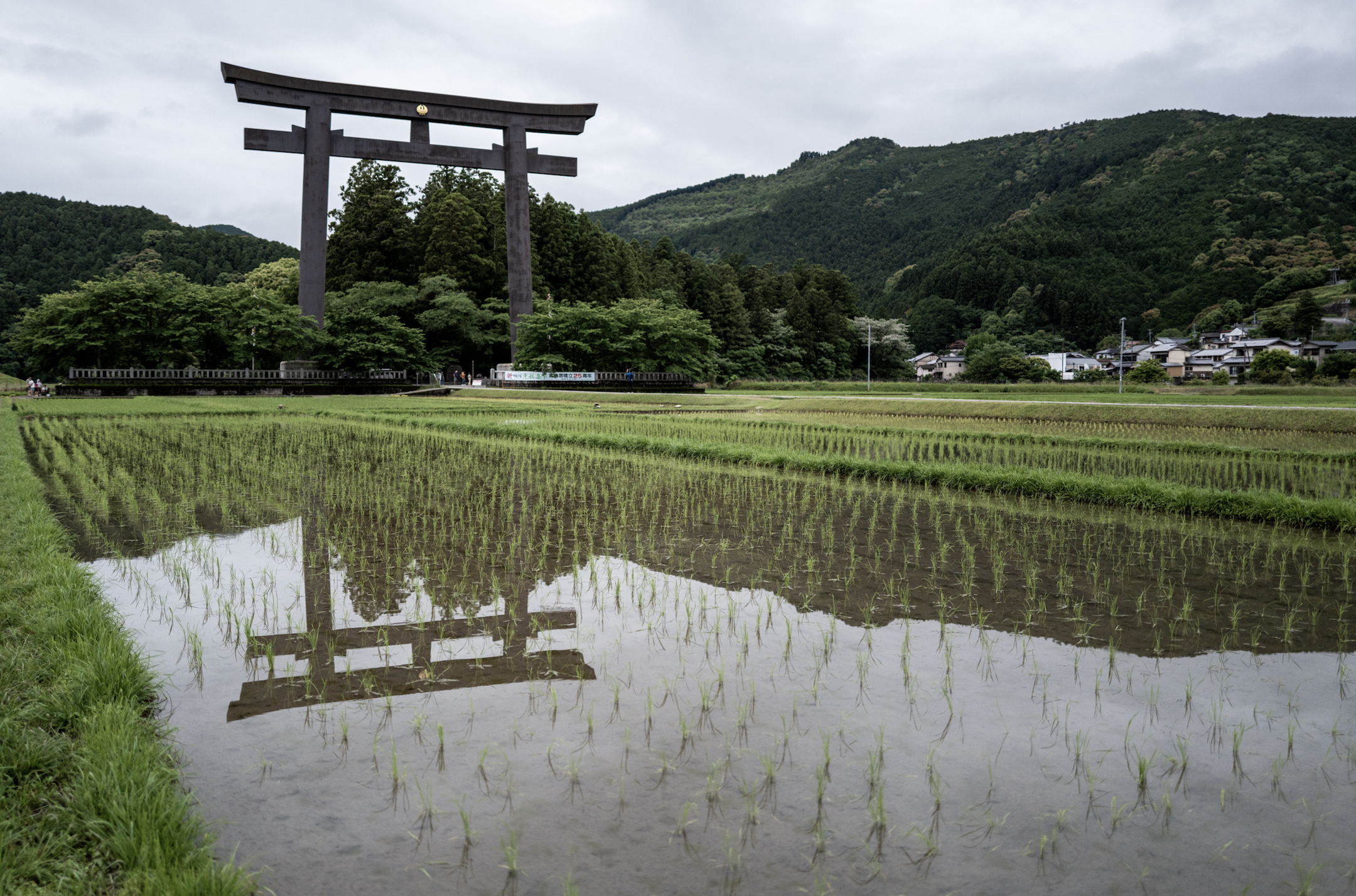
Ise Jingu is made up of two principal shrines: the Outer Shrine (Geku), dedicated to Toyouke Omikami, the deity of food, clothing, and shelter, and the Inner Shrine (Naiku), dedicated to Amaterasu Omikami, the sun goddess and ancestral deity of the Japanese Imperial Family. Set within ancient forests of towering cedar trees, the shrine has been a place of worship for more than 2,000 years. As you enter the shrine grounds through the imposing torii gates, you'll leave the everyday world behind and step into a place of serenity and reverence. While access to the innermost sanctuary is reserved, visitors are welcome to stroll through the peaceful grounds and offer prayers at the designated worship areas.
After exploring the shrine, continue to Ise city, where you will spend the night.
Meals: Breakfast, Dinner
Accommodation: Sen no Mori or similar (Ise)
-
Bid farewell to your guide after breakfast. From here, there are easy train connections to major cities including Nagoya, Tokyo, Osaka, and Kyoto. Your guide will be available to provide assistance and offer advice for your onward travels.
Meals: Breakfast
Safe onwards travels!
“It was an enriching, challenging, and truly amazing experience from the start until the end, and beyond.”
-Elizabeth G.
What to Expect
Terrain
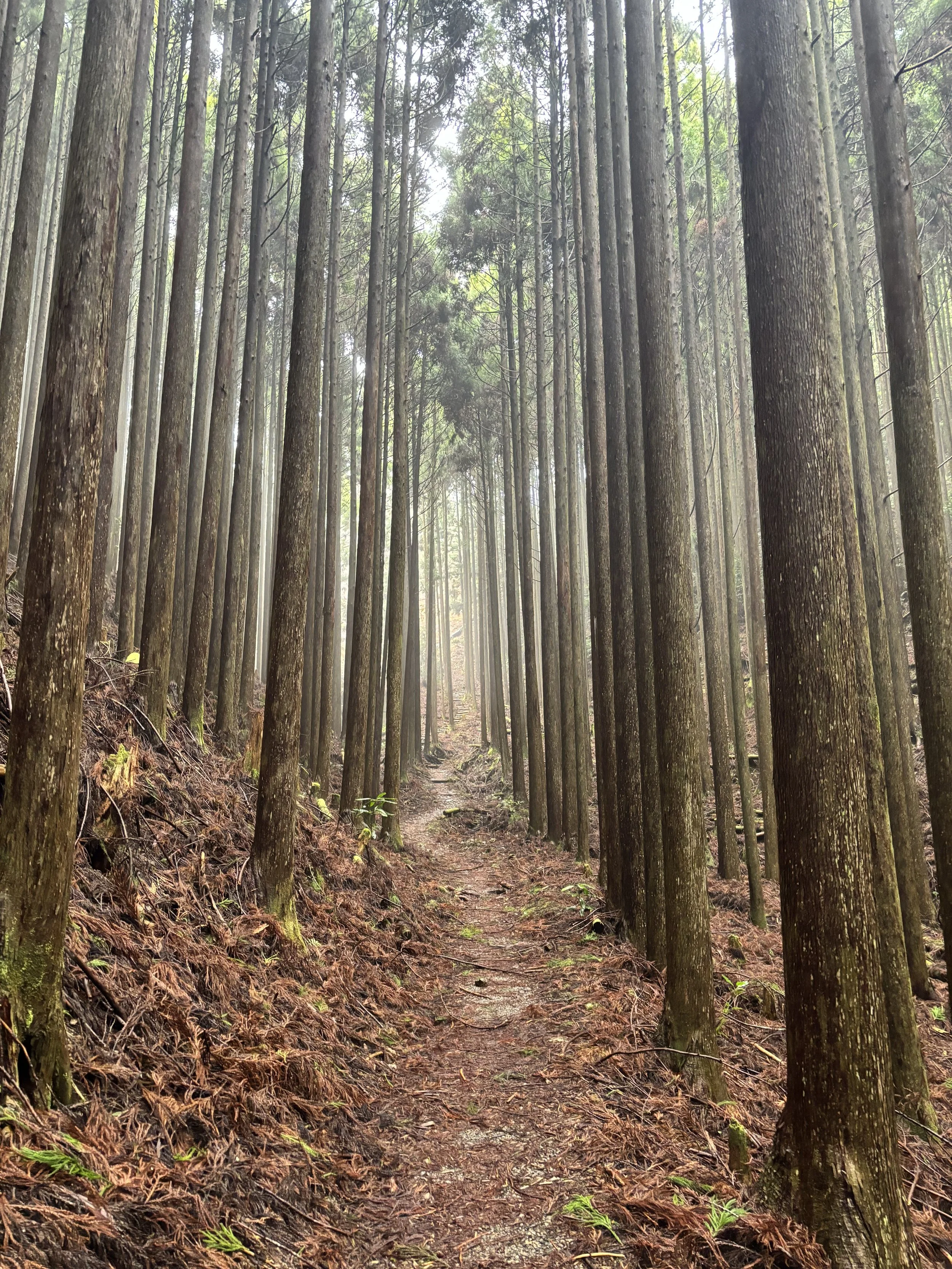
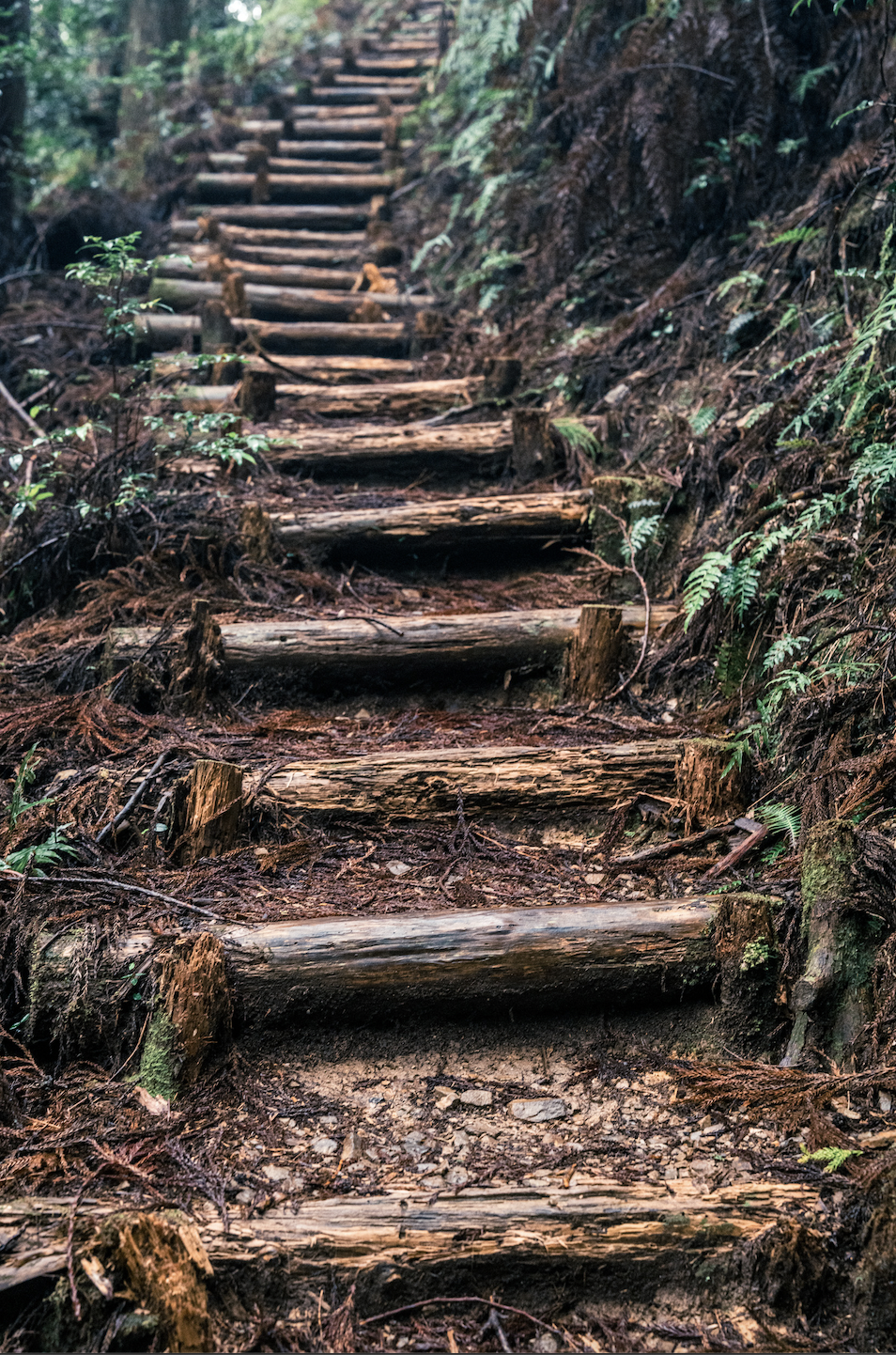
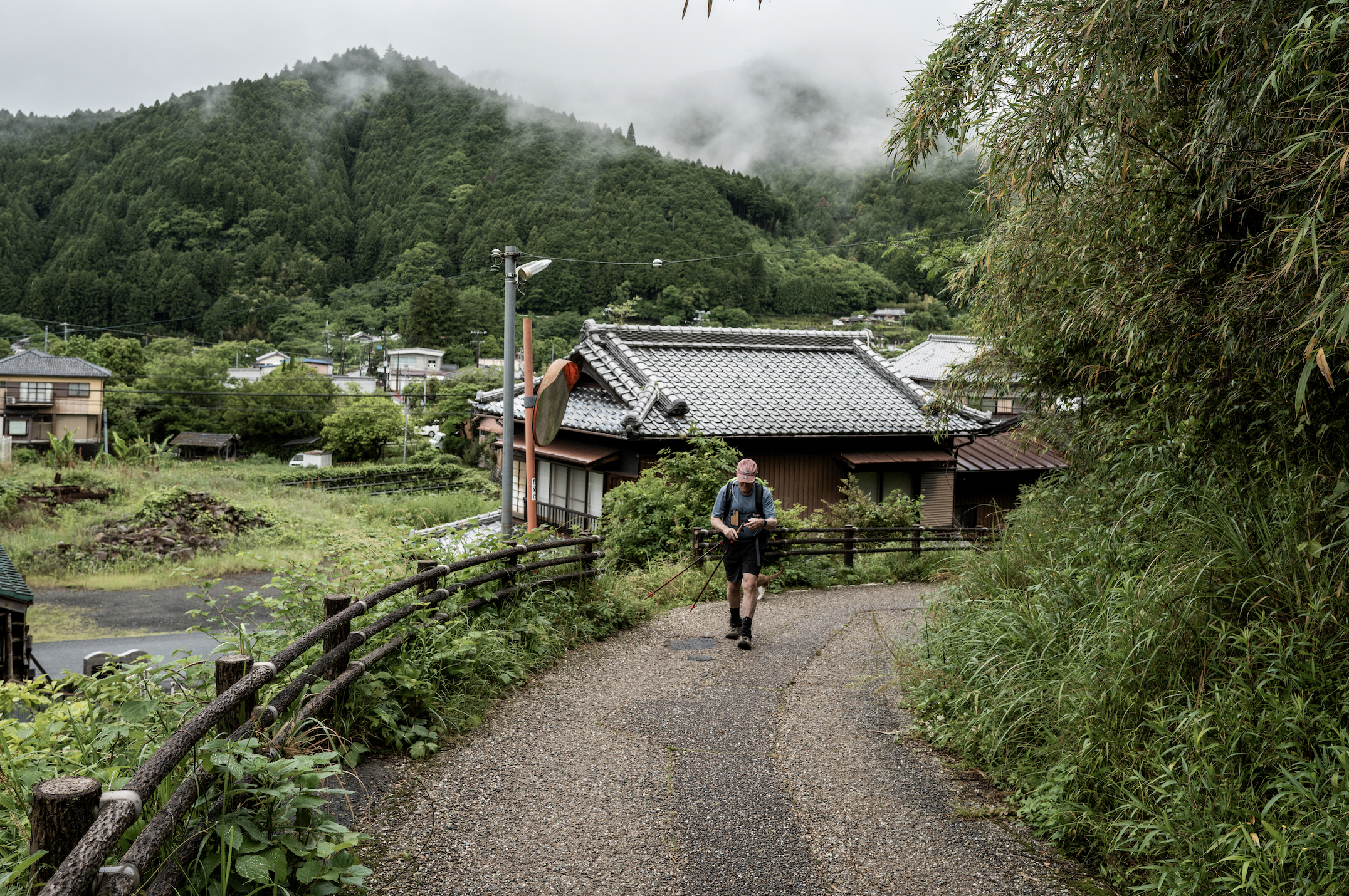
The Nakahechi route is challenging and features moderate to steep inclines and declines (see itinerary above). The trail includes rugged, uneven paths through dense forests, offering a mix of ascents and descents, along with rocky sections and stone-paved paths. Expect variable conditions, including potential rain, which can make the terrain slippery. Please apply only if you feel confident in your hiking ability and are in good physical health.
Daily Rhythm
On the pilgrimage, we’ll start with a hearty breakfast, followed by a morning circle where you’ll receive mindfulness practice invitations and go over the day’s logistics. After time on the trail arrive at the guesthouse in the afternoon, and after some time relaxing, we’ll meet for a group gathering to practice meditation and reflections. Afterwards, we’ll have dinner together and rest for the next day's hike.
While no specific spiritual background is required, participants should be open & willing to participate in meditation, nature connection practices & rituals, and inward exploration.
Accommodations
The following types of accommodation are used on this trip:
Hotel (Osaka)
Modern western-style hotel in Osaka. The rooms are generally smaller than equivalent hotels in the West. All have en-suite facilities, air-conditioning, TV and fridges in rooms. We typically use twin rooms in Japan as these are more prevalent locally for cultural reasons. Hotels in Japan generally offer twin rooms; double rooms are less common and sometimes smaller than twin rooms.
Ryokan (Takahara, Yunomine Onsen, Kii Katsuura, Ise)
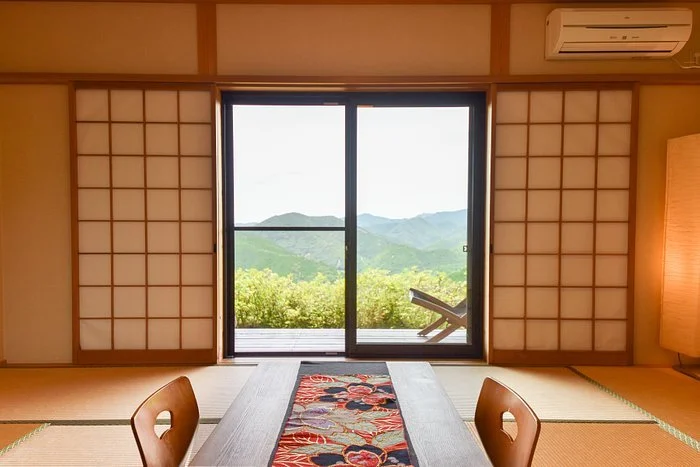
Ryokan are traditional Japanese-style inns. They may be in modern concrete or older wooden buildings but the rooms are always in the Japanese style with tatami (straw) matting and futons laid out in the evening by the ryokan staff. Evening meals are served together usually in the dining room, and are exquisitely prepared multi-course meals. Many ryokan have both en suite bathrooms (with the exception of some older buildings) and communal hot spring style baths (segregated by gender). Minshuku are more commonly smaller family-run properties with warm hospitality. Your minshuku in Takahara is a lodge type property with a mix of Japanese and Western style rooms. Usually, guests lay out their own futons and toilet and bathing facilities are communal, segregated by gender. Ryokan and minshuku are the classic Japanese experience.
Meals
Most meals will be Japanese cuisine. Vegetarian options are available, but limited. Strict vegetarian diets, vegan diets, or gluten free diets may not be possible due to the pervasiveness of the fish-based stock dashi and the use of soy sauce and miso in Japanese cuisine. Guests with dietary limitations will have more limited dining choices and we recommend that guests with dietary limitations bring snacks. Tips are not required when dining in Japan.
What’s Included
Accommodation (double rooms) in hotels, Japanese-style inns (ryokan, minshuku). Japanese-style accommodation will generally be in tatami-mat rooms.
All transportation between tour locations is included. This will normally be by trains (bullet trains and local), bus and sometimes taxi.
Full-time service of a bilingual English-Japanese guide.
All meals (except 2 lunches, see below)
Entrance to museums, temples, etc. as indicated on the itinerary.
Long distance luggage forwarding for 1 larger bag per person on 2 occasions
Intentional contemplative curriculum including facilitated group gatherings and guided meditation
Pre-trip support including:
PDF guidebook including a packing list, training plan and a detailed itinerary
Support via email leading up to the trip for any questions
A live orientation Zoom call
What’s Not Included
Flights to and from Japan
Arrival and departure transfers
Travel insurance - required!
Drinks with meals other than those included in the set menus, snacks and miscellaneous items
2 meals: Lunches are not included on two days to give you a little more freedom to explore and try food of your own choice.
Entrance fees to museums, temples etc. not included on the itinerary
Transfer of greater than 1 bag per person
Pricing
Price: $5,800 per person
EARLY BIRD SPECIAL PRICE! $5,500 if you register before January 1, 2027
$1,000 deposit due within 3 days of acceptance to secure your spot.
Single room supplement: $360 USD Guarantees a single room at Western style hotels.
Please note that single occupancy availability is limited at inns during the trail and at some accommodations guests may have to share a room with another member of the group of the same gender.
Jamie Shimizu-Jones
Pilgrimage Guide
Jamie has been a longtime researcher and advocate of the power of pilgrimage. She’s walked a total of 2,000 miles on pilgrimages around the world including Japan’s Shikoku Pilgrimage, the Kumano Kodo, and the Camino de Santiago. She is the founder of Lotus Compass, where she blends her love for nature and mindfulness into transformative pilgrimage retreats. As a Buddhist Eco-Chaplain, Jamie leads nature connection workshops and meditation sessions that encourage deep connections with the self and the natural world. Additionally, Jamie attends annual silent meditation retreats to inform and inspire her work and life.
Jamie currently calls the Central Coast of California home. Beyond her love for walking pilgrimages, she finds joy in various creative pursuits such as writing, photography, and permaculture design.
About Your Guide